

I'm looking to...
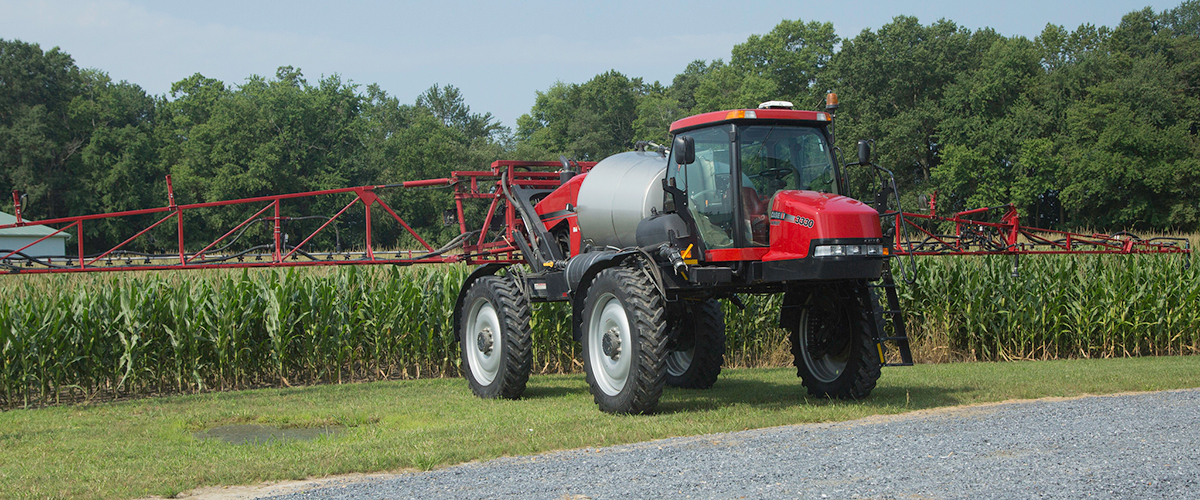
New Farmers, Start Here
Agriculture is full of exciting and rewarding opportunities. Farming is a tough job, but at the heart of it all, you'll see a vibrant community contributing to the future of our nation's health and food security.
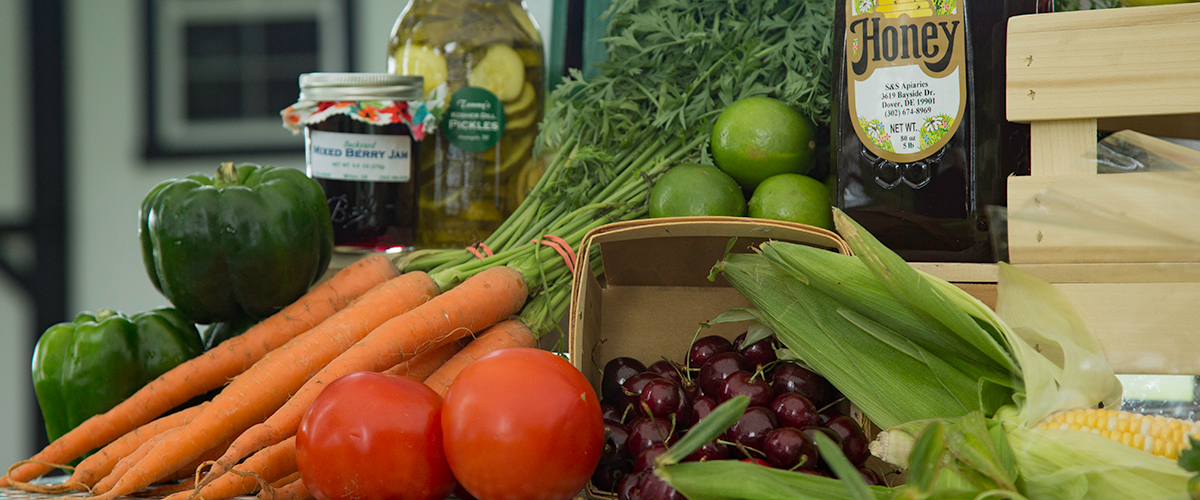
Explore Delaware's Buy Local Guide
Buying local means buying fresh - buying the best. Buying a local Christmas tree, ice cream, fresh produce, meats and eggs - and much more - directly from Delaware farms means you're getting the best farm products you can.
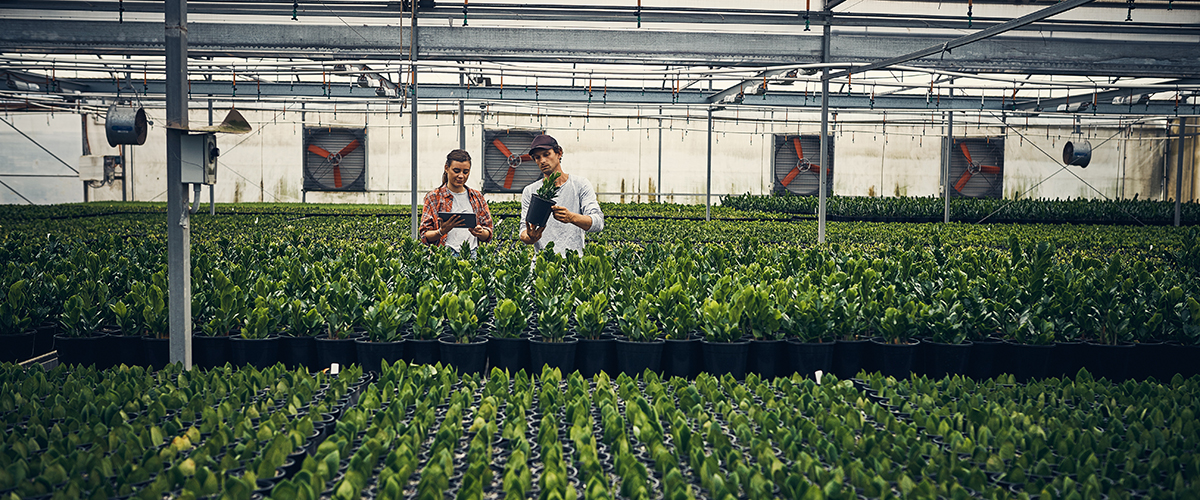
Get Your Nursery Industry License
The Plant Industries Section licenses businesses that grow, distribute or sell nursery stock, Christmas trees and cut flowers.
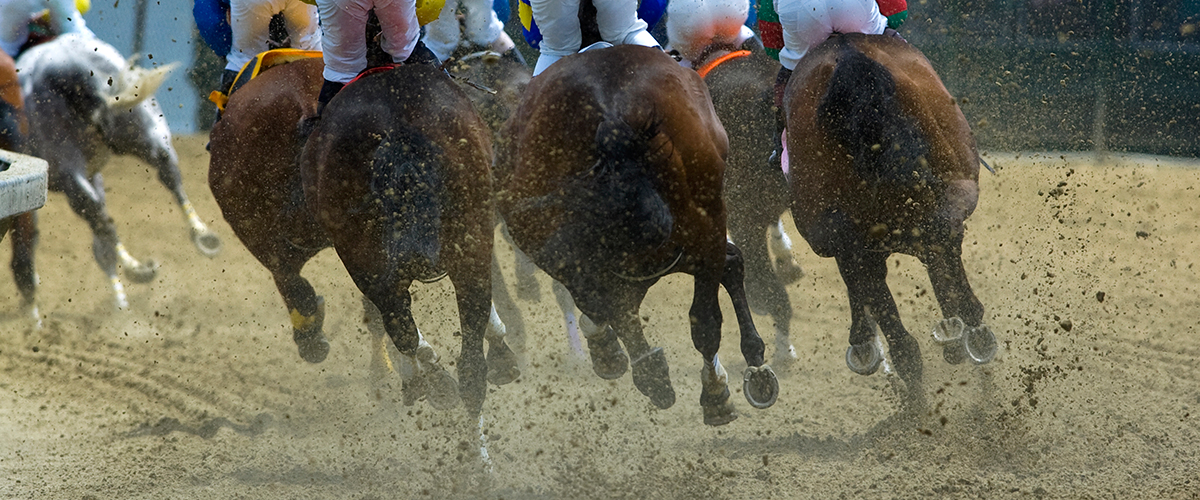
The 2019 Racing Season has Begun!
Find specific information on all Delaware horse races in the state, whether on the flat at Delaware Park or harness racing at Dover Downs and Harrington Raceway.

Get help identifying various pests at no cost
From identifying livestock and poultry diseases, animal rabies, residential pests (like bedbugs, termites, carpenter ants, and rodents), or identifying tree health problems, the Department of Agriculture is ready to assist.
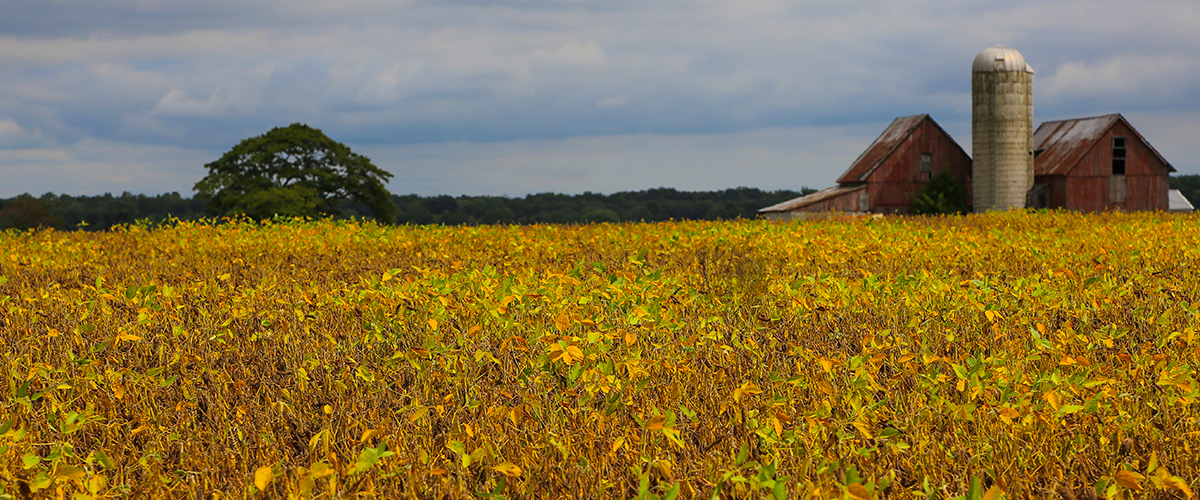
Help Preserve Delaware Farmland into the Future
Delaware’s Agricultural Lands Preservation program invites landowners to voluntarily preserve their farms. The program allows Delaware family farmers to know that their family’s history in agriculture, their hard work, and dedication to the land, the environment, and the industry will last forever.
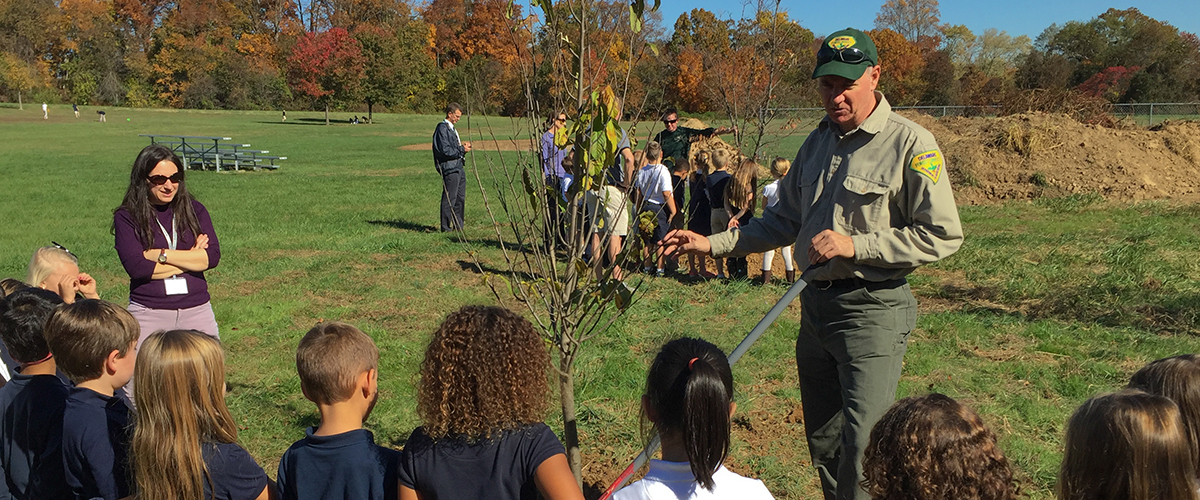
Reforest your own property, or help plant urban trees.
The Delaware Forest Service offers a variety of tree seedlings each spring for landowners to reforest their property, and we organize an urban and community forestry program.
I need information for...
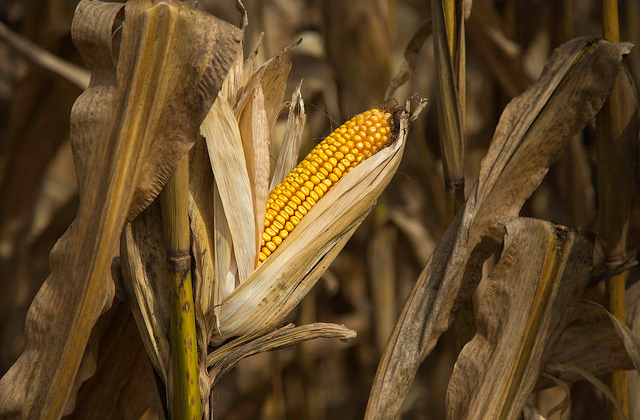
Producers
Vital to Delaware’s economy, we strive to sustain and promote the viability of food, fiber, and agricultural industries.
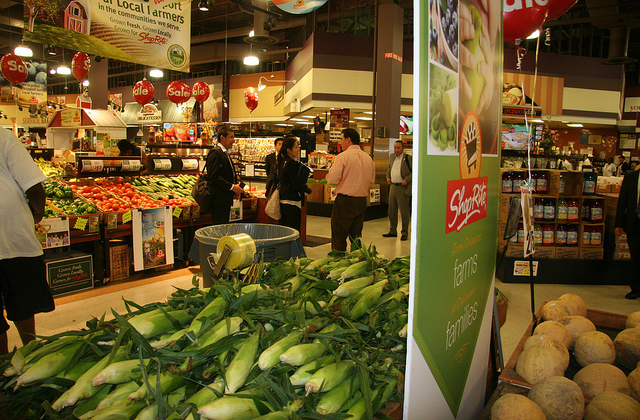
Businesses
A resource for businesses looking to connect with Delaware farms, who need specialized licenses, certifications, and registrations, and product testing needs.
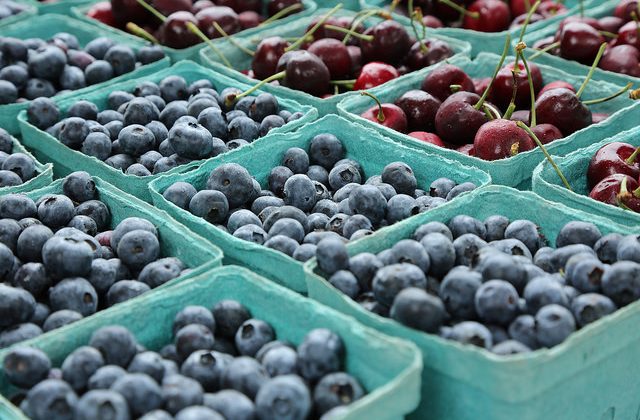
Consumers
From the field to the store to the gas pump we build trust by protecting consumers in Delaware.
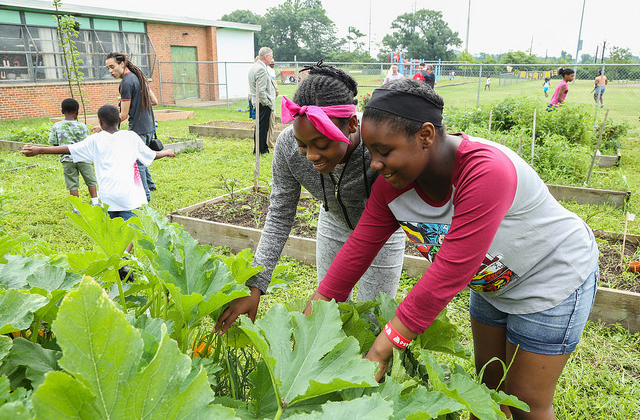
Ag Education
From understanding how food is grown to developing career skills, agricultural education is important to the continued success of Delaware agriculture.
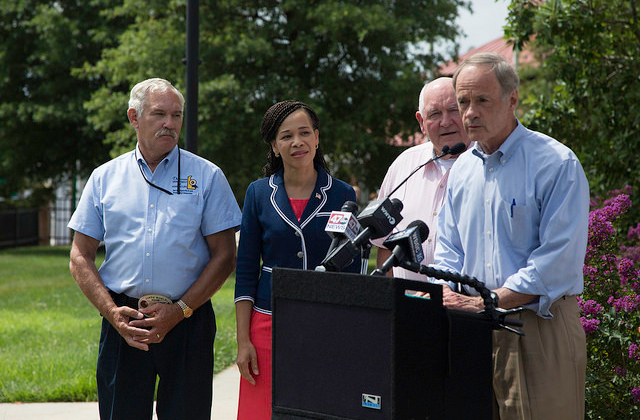
Media Relations
We are committed to providing the media with the latest news and information regarding Delaware agriculture.

Payments
Making a payment for services, registration, and licenses can now be made online using a credit card through our secure online portal.